
Choose a trip below to view details and book.
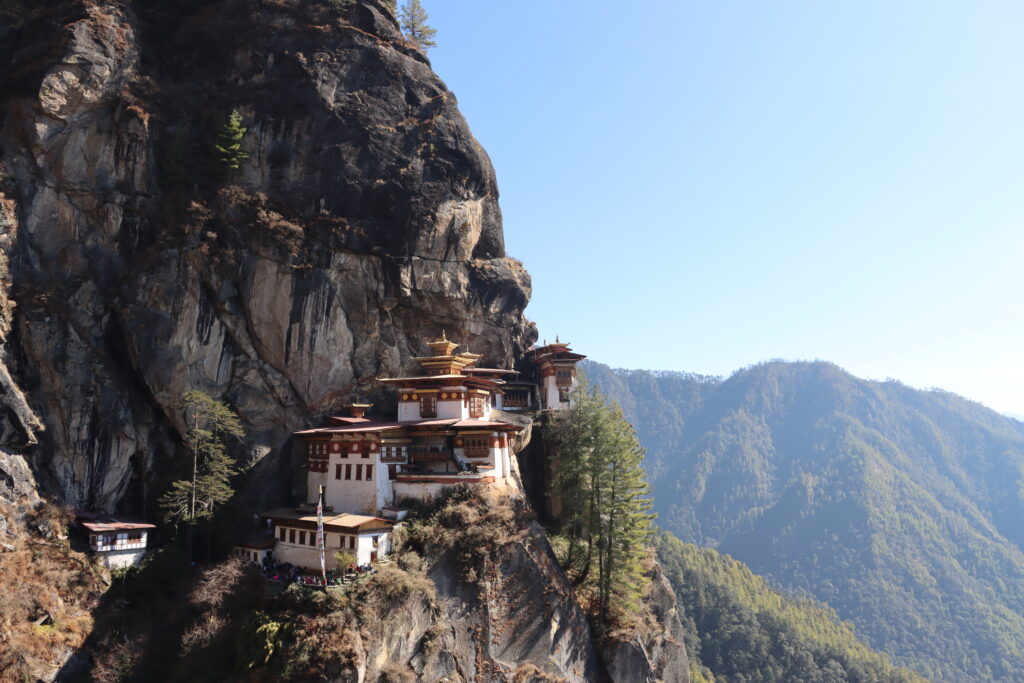

phuntsholing - Thimphu - punakha - paro -phuntsholing
17 Oct || 7 Nov || 21 Nov
phuntsholing - Thimphu - punakha - paro -phuntsholing
19 September
Let’s be real about what happens when you start researching a bhutan trip from india.
You either spend two weeks drowning in government websites trying to decipher Sustainable Development Fees (SDF), entry permit counters, and mountain road passes on your own—or you give up and book a rigid, cookie-cutter tour package where an oversized bus herds you and 30 strangers from one temple courtyard to another on a strict timer.
Honestly, both options ruin the whole point of going to Bhutan.
That’s exactly why Altiverse Adventures exists. We run small-group trips—capping our groups between 10 and 20 travelers—so you actually get to feel the quiet, raw energy of the Himalayas. No rigid roll-call lists, no fake tourist routines, and no rushed schedules. Just clean mountain stays, a dedicated Trip Captain who handles all the local border paperwork and permits, and a solid crew of people who treat every journey like a main-character moment.
If you want a tour that wakes you up at 5:00 AM every single morning to rush through ten different dzongs in a cramped minivan, this won’t be your vibe.
A proper bhutan trip package from india needs breathing room. We hit the heavy hitters—the hike up to Tiger’s Nest, the high mountain passes, and the grand riversides in Punakha—but we leave actual time in the schedule for you to slow down. Time to drink hot butter tea by the river, wander through local craft lanes, and just take in the valleys without a tour guide blowing a whistle at you.
Our route kicks off at the border in Phuentsholing, driving up through forest roads and waterfalls right into Thimphu. In the capital, you get time to visit Buddha Dordenma, explore local markets, and check out street-side cafes. From Thimphu, we cross Dochu La Pass—stopping for hot tea while looking at 108 memorial chortens—and drop into Punakha to see the riverfront dzong and suspension bridge. We wrap things up in Paro, tackling the legendary hike up to Taktsang (Tiger’s Nest) monastery perched 900 meters above the valley floor before heading back.
Look, once your main stay, SDF compliance fees, and local guide permits are locked in, keeping daily spending low on a bhutan budget trip from india is pretty simple. It mostly comes down to how you handle cash and where you decide to eat.
First off, don’t worry about changing your money into foreign currency before you cross the border. The local currency, Bhutanese Ngultrum (BTN), is pegged 1:1 with the Indian Rupee. You can pay with standard Indian cash almost everywhere, though you should carry fresh ₹100, ₹50, and ₹20 notes. Keep in mind that local shops and cafes in smaller towns usually refuse ₹500 or ₹2000 notes, so pack plenty of smaller denominations before leaving West Bengal.
Food is super easy to manage if you skip basic hotel buffets and walk into family-run town eateries. Try local staples like Ema Datshi (spicy chili cheese) paired with red rice, or warm bowls of Suja (salted butter tea). Meals are fresh, warming, and cost a tiny fraction of what tourist-heavy dining rooms charge.
If you are pure veg or Jain, you won’t suffer at all. Bhutanese cuisine relies heavily on fresh mountain cheese, potatoes, mushrooms, and lentils, so getting delicious meat-free food every single day is effortless.
When you get free hours in Paro or Thimphu, skip hiring private cabs for short town errands. Most valley towns are compact, completely safe, and best explored on foot. Keeping these simple habits in mind helps keep your personal pocket expenses totally under control.
Crossing into Bhutan from India is relatively smooth, but there are four quick things you shouldn’t mess up before meeting the captain at the border:
1. Permits and Entry Documents: Indian citizens don’t need a formal visa, but you do need an official Entry Permit. You’ll need a original Indian passport (valid for at least 6 months) or an original Voter ID card to get approved at Phuentsholing or Paro Airport.
2. Understanding the SDF: Indian travelers pay a concessional Sustainable Development Fee (SDF) of ₹1,200 per adult per night (children aged 6–12 pay ₹600). This fee goes directly toward local environmental conservation and healthcare in the kingdom.
3. Weather realities: Spring (March to May) brings clear skies and blooming rhododendrons, while Autumn (September to November) gives you crisp air and mountain views. Winters get cold but stay dry and quiet. If you travel during monsoon months (July/August), expect heavy mountain downpours and occasional road delays along the mountain passes.
4. How to get there: You can fly directly into Paro Airport from hubs like Delhi or Kolkata, or take the overland route starting from Bagdogra Airport or NJP Railway Station in West Bengal, driving through Jaigaon into Phuentsholing.
Whether you're dreaming of mountains, beaches, or bustling streets, we'll help you turn travel plans into unforgettable memories.