For the Indian traveler, Bali in 2026 is no longer just “Goa with bigger temples.” It has evolved into a high-utility destination that perfectly balances the Indian Rupee’s strength with world-class luxury. Traditional guides are now obsolete because they fail to mention the direct flight connectivity from major Indian metros, the transition to digital-only customs, and the significant 2026 visa reforms specifically targeting high-value tourists from the subcontinent.
Navigating Bali trip as an Indian requires a specialized lens. You need to understand the synergy between the two cultures (from the Shared Sanskrit roots to the Tri Hita Karana philosophy) while mastering the technical logistics of the 2026 Love Bali tax and the new e-VoA protocols. This guide is your technical blueprint for mastering the island.
What is the most efficient way to reach Bali from India in 2026?
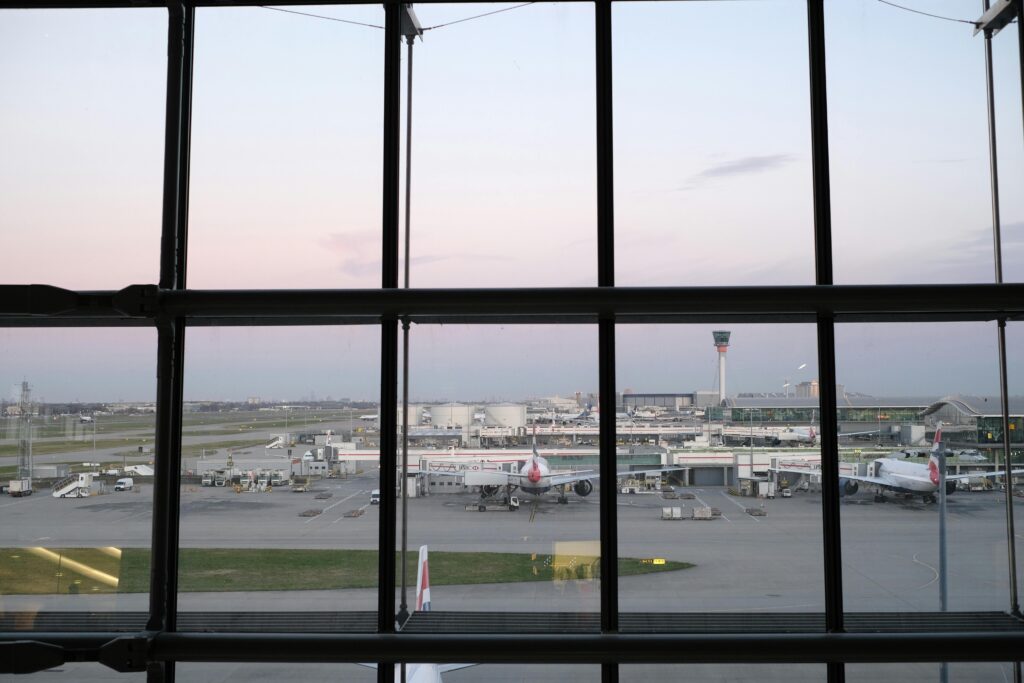
The transit landscape has shifted from “Mandatory Layovers” to “Direct Dominance.”
-
The Direct Advantage: As of April 2026, Air India and IndiGo operate daily direct flights from Delhi and Mumbai to Denpasar (DPS). The flight time is approximately 7.5 to 8 hours. This bypasses the exhaustion of transiting through Southeast Asian hubs.
-
The Layover Logic (Budget Choice): If flying from cities like Bangalore or Chennai, transiting through Singapore (Changi) via Singapore Airlines or Kuala Lumpur via AirAsia remains the most cost-effective. However, in 2026, I recommend the direct route to save nearly 5 hours of total travel time.
-
Airport Mastery: Denpasar Airport (DPS) now features Autogates. If you have pre-applied for your e-Visa, you can scan your passport and exit in under 10 minutes, avoiding the manual queues that can take over an hour for the standard Visa on Arrival (VoA).
How do I secure the Bali Visa and Tourist Levy for Indians this year?
In 2026, you are essentially managing two separate government requirements before you land.
-
The e-VoA (B1 Visitor Visa): While you can still get a sticker at the airport, the e-VoA is the industry standard for 2026. It costs 500,000 IDR (approx. 2,750 INR). It is valid for 30 days and can be extended once online.
-
The Mandatory Bali Tourist Levy: This is a separate 2026 provincial tax of 150,000 IDR (approx. 850 INR). You must pay this via the Love Bali portal. Carry a digital or printed QR code of the payment; it is frequently checked at major cultural sites like Uluwatu or Tanah Lot.
-
The 3-Day Rule: You must complete the Electronic Customs Declaration (e-CD) within 72 hours of your flight. It is a free digital form. Do not pay any “agent” for this.
What are the current transit and road conditions across the region?
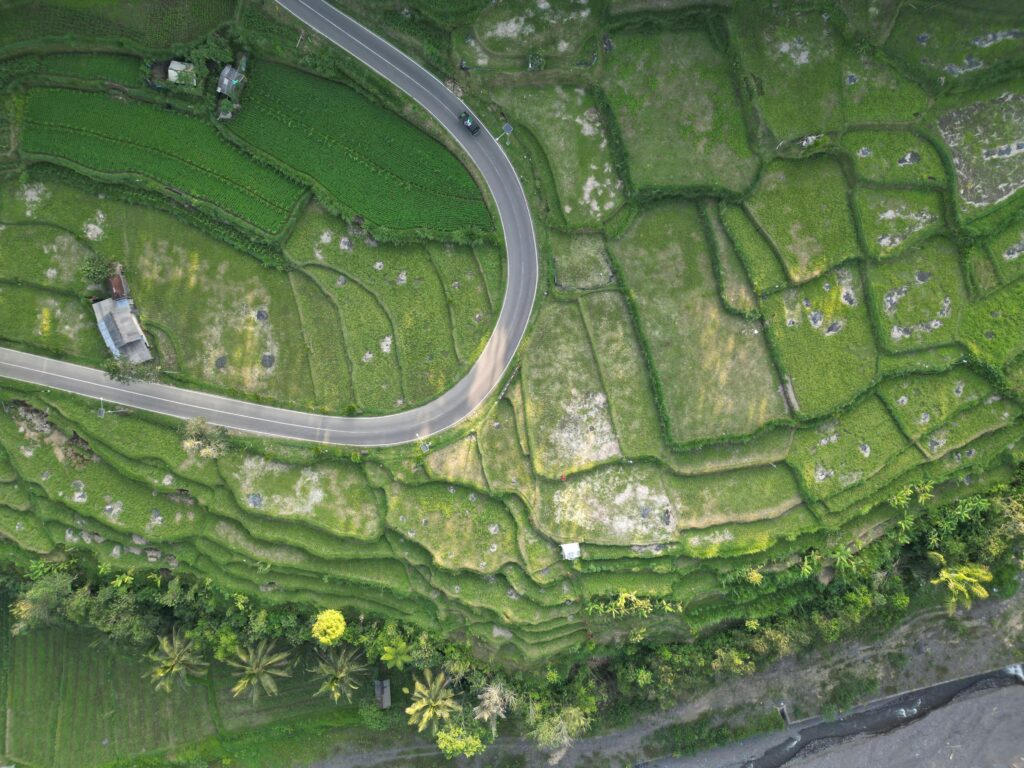
Indian travelers often compare Bali traffic to Mumbai or Bangalore—and in 2026, they are not far off.
-
The “Bluebird” Gold Standard: Always use Bluebird Taxis (identifiable by the bird logo and meter) or the Grab/Gojek apps. Avoid “freelance” drivers at the airport who quote inflated flat rates.
-
The Scooter Hazard: While renting a scooter is cheap (approx. 400-600 INR/day), you must have an International Driving Permit (IDP). In 2026, Bali police utilize AI-enabled cameras to track traffic violations. Without an IDP, a “minor bribe” is no longer a solution; your vehicle will be impounded.
-
Private Drivers for Families: The most efficient way for Indian families to travel is hiring a “Driver-cum-Guide” for 10 hours (approx. 3,500 – 4,500 INR). This provides air-conditioned comfort—crucial given that Bali’s humidity in 2026 is consistently above 80%.
Which mobile network provides the best connectivity for Indian roamers?
-
Telkomsel Tourist Prepaid: This is the most reliable network. In 2026, they offer a “Tourist SIM” specifically for 30 days. You can pre-order it online and pick it up at a dedicated booth at DPS airport.
-
Avoid International Roaming: Indian carriers (Jio/Airtel) have high latency in Bali. A local SIM provides 5G speeds that are essential for using Grab or Google Maps in the winding alleys of Ubud.
How should Indian travelers manage currency and digital payments in 2026?
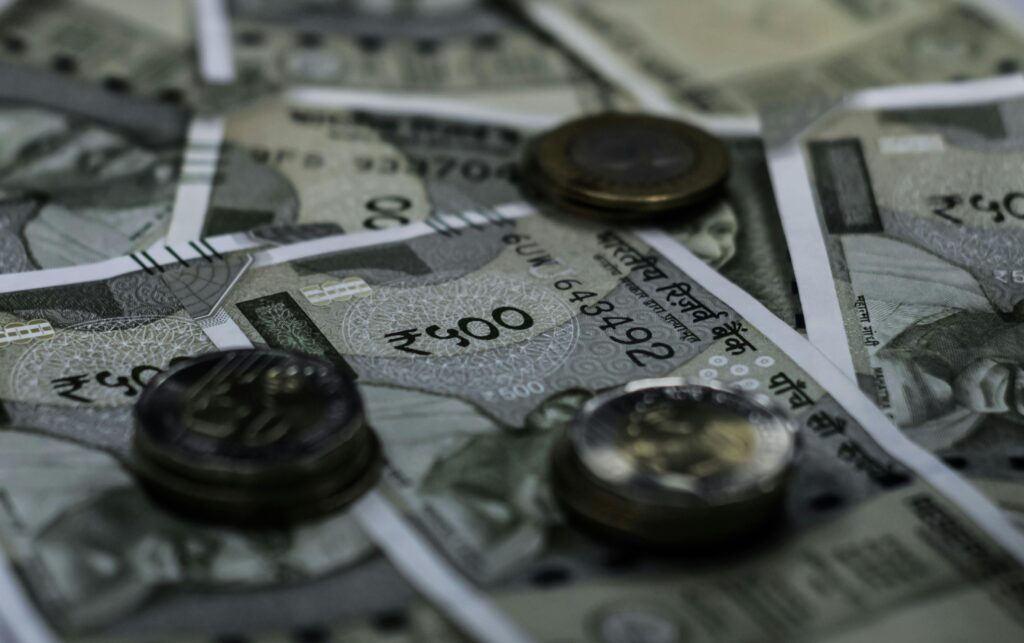
The exchange rate in 2026 is roughly 1 INR = 185-190 IDR.
-
UPI Status: While UPI is expanding globally, as of early 2026, it is not yet a primary payment method for street vendors in Bali.
-
The “Zero-Forex” Card: This is the most efficient financial tool. Use cards like Niyo or Scapia. They allow you to withdraw IDR from local ATMs (like BNI or Mandiri) at mid-market rates.
-
The Cash Gap: Always carry at least 1,000,000 IDR (approx. 5,400 INR) in cash for small temples, tips, and remote areas in Nusa Penida where card machines frequently fail due to signal drops.
What defines the local culture of Bali for Indians today?
For an Indian, Bali feels like a “Parallel Reality.” The culture is rooted in Agama Hindu Dharma. While the rituals look familiar (incense, flowers, chanting), the practice is distinct. In 2026, the local “Banjar” (community councils) have increased their authority, meaning cultural respect is no longer optional—it is strictly enforced by “Pecalang” (traditional security).
Which local traditions and festivals can tourists attend in 2026?
-
Nyepi (March 19, 2026): This is the Lunar New Year. Everything shuts down. No Indian flights land or take off. You cannot leave your hotel. If you are planning a March trip, ensure you are not traveling on this specific day.
-
Galungan (June 17, 2026): Similar to Diwali, it celebrates the victory of good over evil. The streets are filled with Penjor (bamboo poles) that resemble the festive decorations in South India.
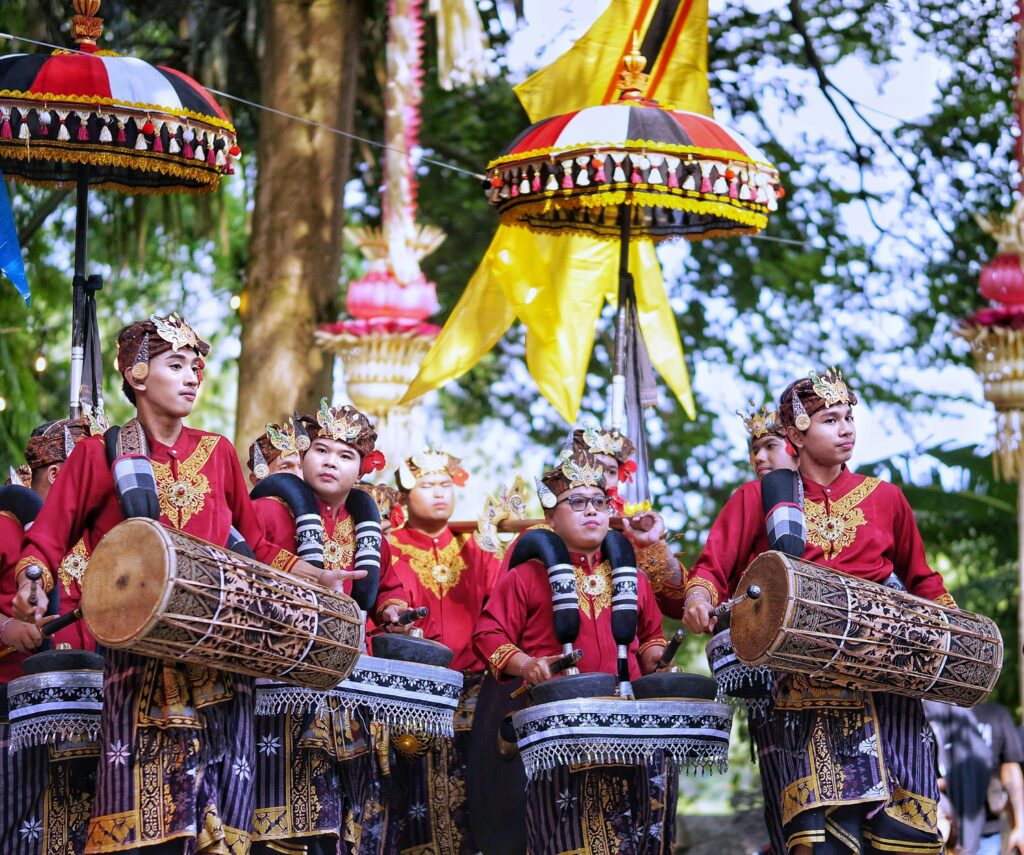
What are the specific customs and etiquette travelers must respect?
-
The “Canang Sari” Rule: These are the small square flower offerings on the ground. Never intentionally step on them. If you do, a simple “Maaf” (sorry) is expected.
-
Temple Entry: Men and women must wear a Sarong. Even if you are wearing long pants, the Sarong is a sign of spiritual readiness.
-
Menstruation Taboo: Most temples have signs asking women who are menstruating not to enter. This is a deeply held traditional belief; regardless of personal views, it is vital to respect local boundaries to avoid conflict.
What are the best adventure activities available in Bali right now?
-
Mount Batur Sunrise Trek: A 2-hour hike to the summit of an active volcano. In 2026, you must book this via the official government portal to ensure you have a certified guide.
-
Nusa Penida Exploration: The “T-Rex Bay” (Kelingking) is a must-visit, but the 2026 road conditions are still grueling. I recommend hiring a private boat from Sanur for a “North Coast” loop to avoid the inland traffic.
What are the top offbeat spots for Indians to avoid the crowds?
-
Munduk: The “Shimla of Bali.” Higher altitude, cooler air, and world-class coffee plantations.
-
Sidemen Valley: If you want the “Ubud of 20 years ago,” this is it. Stunning rice terraces with a view of Mount Agung, without the tourist traps.
Where can travelers find authentic Indian food and vegetarian options?
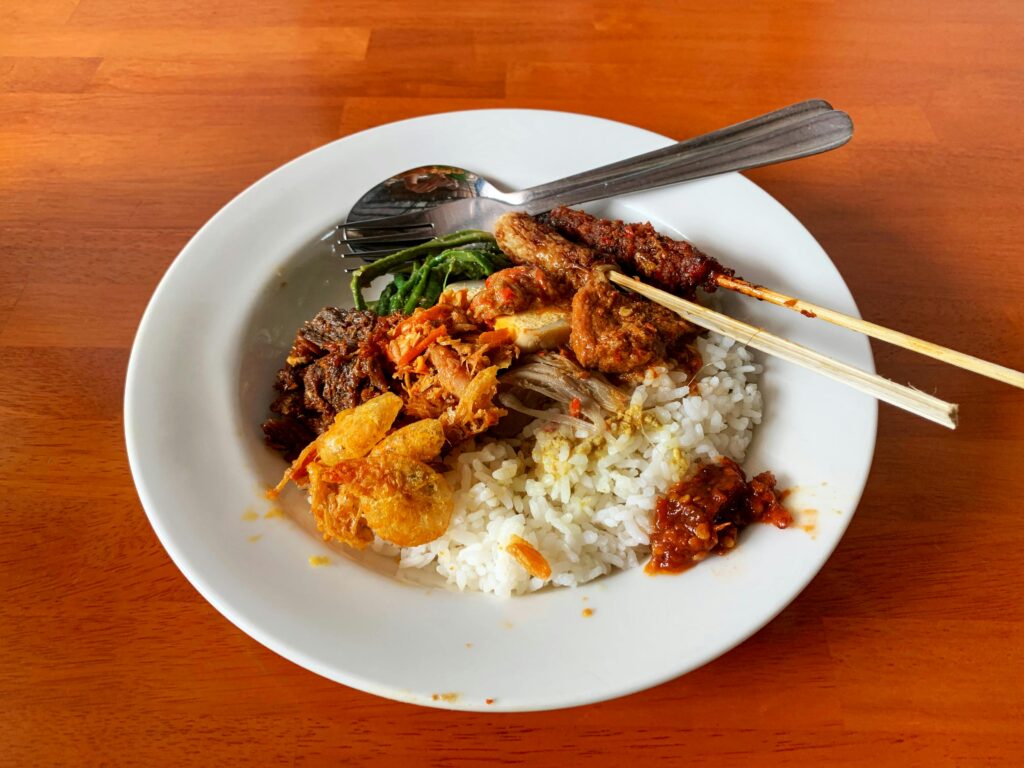
Bali is a paradise for the Indian palate, with over 50+ high-quality Indian restaurants.
-
The “Queen’s” Chain: Queen’s Tandoor (Seminyak/Ubud) remains the gold standard for North Indian cuisine.
-
Pure Vegetarian Options: Mumbai Station in Ubud and Satvik by Nature are top-tier for those seeking no-onion, no-garlic, or pure veg meals.
-
Local Veg Secret: Try Gado-Gado (steamed veg with peanut sauce) or Sayur Urab. Most Balinese “Warungs” understand “Vegetarian” clearly, though you should specify “No Prawn Paste” (Tanpa Terasi).
What is the total budget for a 7-day trip from India in 2026?
A 7-day comfortable trip for a couple (excluding flights) will cost approximately 1,10,000 to 1,40,000 INR.
Lessons Learned from the Field: Expert Insider Secrets
-
The “Exchange Rate” Scam: Never use a money changer that offers a “Higher Rate” than the market. If the sign says 195 IDR while everyone else says 188, they will use sleight-of-hand to short-change you. Use only BMC or Central Kuta authorized changers.
-
The “Ubud Monkey Forest” Logistics: In 2026, the monkeys have become bolder. Do not wear sunglasses or carry loose water bottles. If a monkey takes your bag, do not fight back—wait for a ranger.
-
The “Water is Gold” Rule: “Bali Belly” is usually caused by ice made from tap water in cheap street stalls. In 2026, most established cafes use “Kristal” (government-regulated ice), which is safe. When in doubt, ask “Es Kristal?”
The 2026 FAQ Gallery for Indians
1. Is an Indian driving license valid? Only if accompanied by an International Driving Permit (IDP) issued in India.
2. Can I get Indian vegetarian food easily? Yes, especially in Ubud and Seminyak. Most local dishes can also be made “Veg” on request.
3. Is Bali cheaper than Goa in 2026? The on-ground costs (food/local travel) are comparable, but the “Value for Money” in Bali hotels is significantly higher.
4. What is the time difference? Bali (WITA) is 2 hours and 30 minutes ahead of Indian Standard Time (IST).
5. Do I need to carry USD? No. In 2026, you can withdraw IDR directly using your Indian debit card or exchange INR at reputable counters (though rates for INR are slightly lower than USD).
6. Can I use my Indian SIM card for data? It’s expensive. A local 25GB Telkomsel SIM costs around 800 INR and is 10x faster.
7. Is Bali safe for honeymooners? It is arguably the safest destination in Asia for couples, with a very high “Tourist Police” presence in 2026.
8. Do I need a yellow fever certificate? Only if you are traveling from or via a Yellow Fever endemic country (mostly Africa/South America). It is not required for travelers flying directly from India.
9. Can I pay in INR at shops? No. Only Indonesian Rupiah (IDR) is legal tender.
10. What is the one thing I must pack? A universal travel adapter (Type C/F) and high-SPF sunscreen. The Bali sun at 8 degrees south of the equator is much harsher than in North India.