A standard 6-night, 7-day trip to Bhutan from India in 2026 typically costs between ₹45,000 and ₹75,000 per person on a twin-sharing basis, covering mid-range hotels, private transport, guide services, and mandatory fees, excluding your travel to the border or flights.
For years, Indian travelers treated Bhutan as a spontaneous, budget-friendly mountain getaway where you could just pack your bags, produce a voter ID at the Phuentsholing border, and drive up to Paro. While entry remains accessible, the introduction of the concessionary Sustainable Development Fee (SDF) and the nationwide 5% Goods and Services Tax (GST) has made structured budgeting necessary.
If you are an agency packaging Bhutan tours for Indian travelers or planning your own route, understanding how these fees interact prevents unexpected cash burns at entry gates and checkouts.
What Is the Bhutan SDF Rate for Indian Tourists in 2026?
The Sustainable Development Fee (SDF) for Indian passport and voter card holders is ₹1,200 per person, per night.
Under a bilateral agreement with the Royal Government of Bhutan, regional tourists pay a fraction of the international rate ($100 per night). The revenue directly supports state-funded healthcare, community infrastructure, and carbon-negative environmental programs.
Bhutan SDF Breakdown for Indian Nationals:
* Adults (Ages 12+): ₹1,200 per person, per night
* Children (Ages 6 to 11): ₹600 per child, per night (50% concession)
* Children (Under 6 years): Free (₹0)
* Entry Permit Fee: Nil (No visa fee applies to Indian nationals; entry permit is issued online or on arrival)
You can stay in Phuentsholing or Gelephu for up to 24 hours without paying the SDF, but the moment you cross the designated border checkposts toward Thimphu or Paro, the daily levy activates.
How Does Bhutan’s 5% GST Affect Your Ground Budget?
Bhutan’s 5% GST applies exclusively to in-country commercial services, including hotel tariffs, certified guide fees, driver charges, and restaurant meals.
Crucially, the ₹1,200 daily SDF is exempt from GST. You will never be charged 5% on top of the government daily fee.
Because this 5% GST replaced the earlier 10% Bhutan sales tax on registered hotels and dining, the actual on-ground cost of accommodations has softened slightly. However, vehicle hire and guiding services now have the tax cleanly added to operator invoices.
Industry reporting from platforms like Skift highlights that pricing ambiguity on regional travel products drives up drop-offs. If you sell Bhutan tours or book them through travel desks, showing an itemized split between the SDF and taxable ground services keeps billing transparent and legally compliant.
Bhutan Trip Cost Calculator: 6-Night / 7-Day Itinerary (From India)
Here is a realistic mid-range cost projection for two adults traveling together on a private 6-night circuit covering Phuentsholing, Thimphu, Punakha, and Paro.
| Expense Component | Calculation Basis | Total Cost (2 Adults) | GST Applied? |
| Sustainable Development Fee (SDF) | ₹1,200 × 6 nights × 2 people | ₹14,400 | Exempt (0%) |
| Bhutan Entry Permit | Issued with Valid Passport / Voter ID | ₹0 | Nil |
| Land Package (3-Star Hotels, Breakfast, SUV, Guide) | ₹7,500/day combined land rate × 6 days | ₹45,000 | Taxable Base |
| Bhutan Tourism GST (5%) | 5% on Land Package (₹45,000) | ₹2,250 | 5% |
| Monuments & Dzong Entry Passes | Tiger’s Nest (₹1,000), Dzongs & Museums (~₹2,500/person) | ₹5,000 | Exempt |
| Estimated Trip Total (Excluding Travel to Border) | Ground subtotal + Government fees | ₹66,650 | ~₹33,325 / person |
Transit Costs to Add:
-
By Air: Direct flights via Drukair or Bhutan Airlines from Delhi or Kolkata to Paro (PBH) range between ₹22,000 and ₹35,000 round-trip per person.
-
By Train/Road: Taking a train to Hasimara or New Jalpaiguri (NJP) and cabbing to the Jaigaon–Phuentsholing land border costs roughly ₹2,000 to ₹4,000 per person each way.
How Indian Tour Desks Should Structure Itineraries
If your agency runs Bhutan packages from Kolkata, Delhi, or Bagdogra, misconfigured booking calculators and pricing pages hurt both search rankings and consumer trust. Follow this setup to streamline your funnel:
-
Separate SDF from Hotel and Vehicle Rates
Never blend the ₹1,200/night SDF into an opaque “package rate.” Indian travelers actively compare DMC quotes against self-planned budgets; listing government fees separately builds immediate trust and avoids price shock.
-
Account for Indian Vehicle Regulations
If bringing an Indian-registered vehicle (commercial or private) into Bhutan, tourists must pay a green tax of ₹4,500 per day and obtain specialized vehicle permits. Factor this daily overhead into road-trip packages or recommend transitioning to authorized Bhutanese plates at Phuentsholing.
Frequently Asked Questions
What documents do Indian citizens need to enter Bhutan in 2026?
Indian nationals need a valid Indian Passport (with at least six months of validity) or an original Voter ID card issued by the Election Commission of India. Aadhaar cards, PAN cards, or driving licenses are not accepted as primary entry documents for the entry permit.
Is hiring a tour guide mandatory for Indian travelers visiting Bhutan?
Yes, the Department of Tourism mandates that all tourists, including Indian citizens, must travel with a licensed Bhutanese tour guide when exploring beyond the border towns. This rule ensures smooth checkpoint clearances and cultural preservation at dzongs and monasteries.
Does Bhutan’s 5% GST apply to entry tickets for Tiger’s Nest and dzongs?
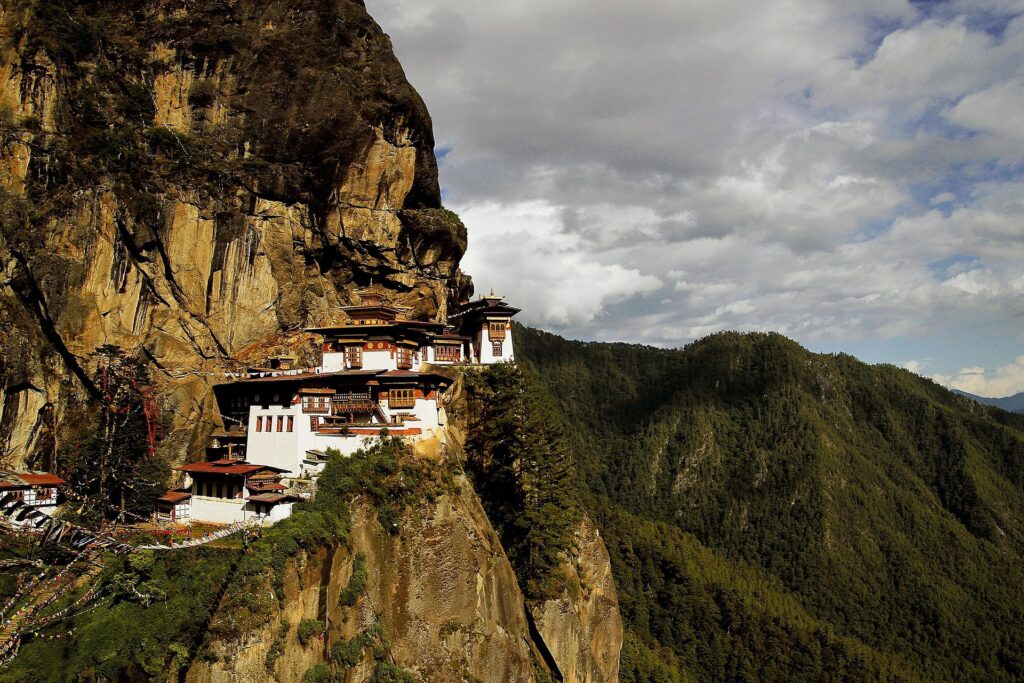
No, monument entrance fees are government-regulated ticketing fees and remain exempt from the 5% GST. Indian tourists currently pay flat rates at major sites, such as ₹1,000 for Tiger’s Nest (Paro Taktsang) and standard entry fees across major dzongs.
Can Indian tourists drive their own cars into Bhutan?
Yes, Indian-registered vehicles can enter Bhutan through designated border points, provided they meet vehicle emission norms and drivers hold an international/valid national driving license. However, vehicles must pay a daily green permit fee of ₹4,500 per day and process route permits for inter-district travel.
Are Indian Rupees (INR) accepted across Bhutan?
Yes, Indian currency notes of ₹100, ₹200, and ₹500 denominations are widely accepted in Bhutan at par value with the Bhutanese Ngultrum (1 INR = 1 BTN). Digital UPI payments are also functional at many merchant terminals through integrated cross-border QR banking networks.
Planning the Ideal Bhutan Trip from India
Planning a seamless Bhutan trip from India in 2026 comes down to how smartly you balance overland logistics against direct flights. For travelers based in eastern regions or those prioritizing budget efficiency, taking an overnight train to Hasimara or flying into Bagdogra, followed by crossing via Phuentsholing, keeps transit overhead minimal while offering an easy transition into the kingdom. Travelers with tighter timelines can board direct Drukair or Bhutan Airlines sectors from Delhi, Kolkata, or Guwahati straight into Paro. Whichever route you choose, securing an accredited Bhutanese guide in advance, validating that your original voter card or passport has six months of headroom, and setting aside the ₹1,200 nightly SDF ensures that your border clearances and monument visits remain smooth from day one.